
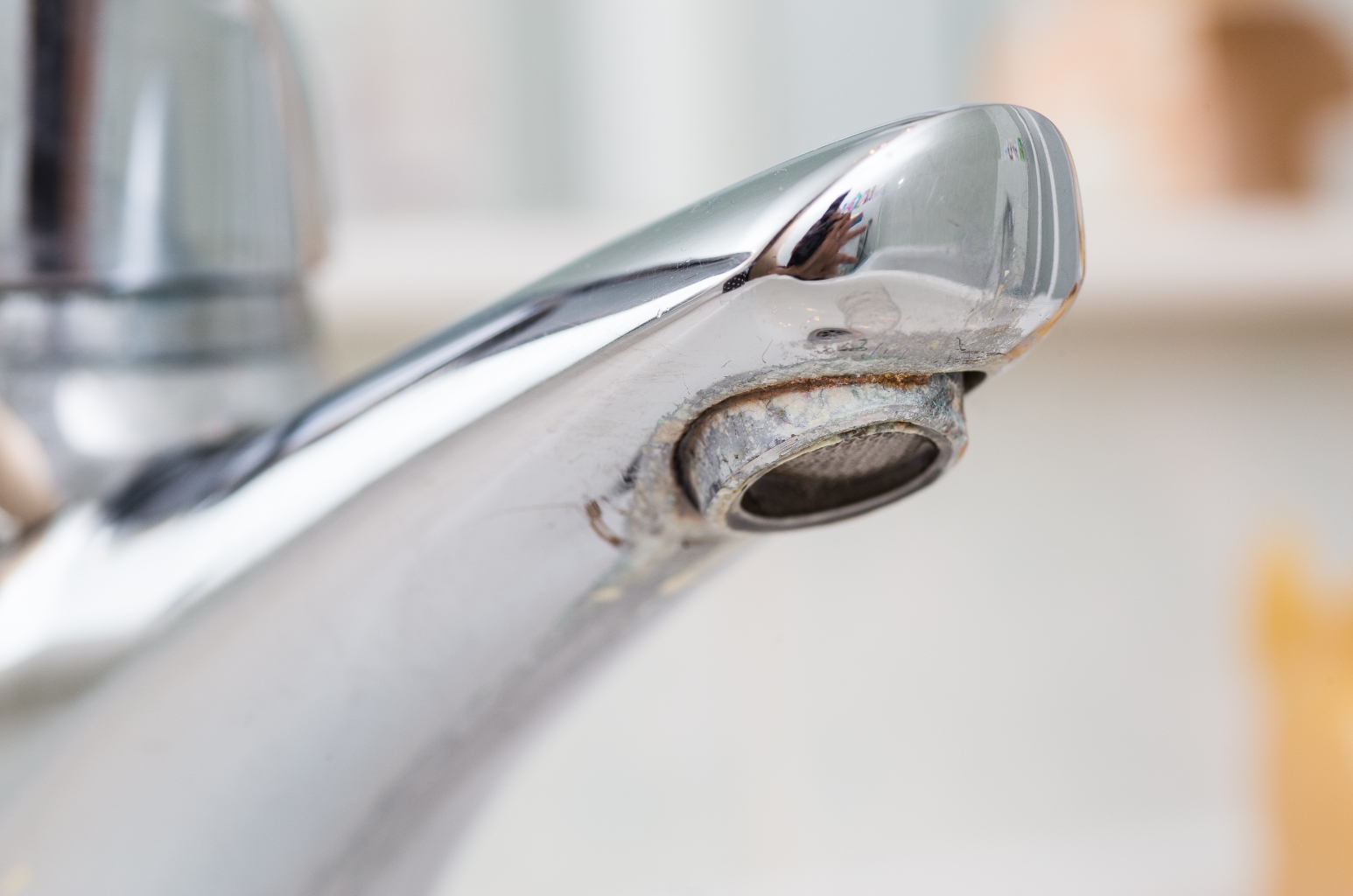
Living in Central Texas, you expect the heat, humidity, and maybe a few weeks each year when cedar pollen seems to coat everything in sight. What’s usually unexpected, though, is the hard water. Because Central Texas falls in a limestone-rich region, groundwater picks up high concentrations of dissolved minerals like calcium and magnesium before it reaches your home. This creates the hard water you know so well; the water that leaves spots on dishes, causes your skin to feel dry and itchy, and makes it harder for soap and detergents to do their job.
What many homeowners don't realize is that those same minerals are also building up inside their plumbing system. Let’s talk through how the hard water in Central Texas affects your plumbing systems, and discuss what you can do to protect your appliances.
How Hard is the Water in Central Texas?
The water in Central Texas is considered to be in the “hard” to “very hard” range. Coming in at around 11-21+ grains per gallon (GPG), water in Central Texas contains significantly higher mineral concentrations than what’s considered moderately hard water.
Typically, water is considered to be hard once it reaches 7 GPG. The higher the number climbs, the harder the water. This high mineral content is largely due to the region’s geology. As groundwater moves through limestone and other mineral-rich rock formations, it dissolves small amounts of calcium and magnesium. By the time that water reaches homes and businesses, it carries a much higher concentration of these naturally occurring minerals than water found in many other parts of the country.
How Hard Water Can Damage Your Plumbing Appliances
Hard water isn’t dangerous to use or consume; your plumbing systems, though, can bear the brunt of the high mineral content. As water moves throughout your home, calcium and magnesium can accumulate over time in your pipes and appliances.
The more you use hard water, the greater the buildup can become. As mineral buildup develops, you may slowly start to notice reduced efficiency, poor water flow, and even premature wear on plumbing fixtures and appliances. Water heaters may take longer to heat water, faucets and showerheads can become restricted by scale deposits, and appliances that rely on water may have to work harder to perform their intended function.
Softening Water Can Protect Your Home
For homeowners dealing with hard water in Austin and the surrounding Central Texas area, water softeners can have a significant impact on the health and longevity of their plumbing system.
Hard water is caused by calcium and magnesium. Water softener systems work by replacing those hard minerals with much softer ones, like sodium and potassium. The water softening process, known as ion exchange, happens as water flows through the system; calcium and magnesium ions are captured by resin beads while sodium or potassium ions are released into the water.
The result is water that contains far fewer hardness-causing minerals. With less calcium and magnesium flowing through your plumbing system, scale buildup occurs much more slowly, helping to protect water heaters, fixtures, appliances, and pipes from the damaging effects of hard water.
Finding the Water Softener Service You Need
Maybe you already have a water softener in place, but it's not doing its job anymore. Or maybe you're considering installing one for the first time. Whatever your situation is, it helps to work with a Central Texas plumber who understands the unique challenges hard water creates for local homeowners.
Water Softener Repair
If your water softener isn't producing soft water, is leaking, or is showing signs of reduced performance, a professional repair may be all that's needed. Common issues include worn components, clogged valves, malfunctioning control heads, and resin bed problems. A qualified plumber can diagnose the issue and restore your system's ability to effectively remove hardness minerals.
Water Softener Repair in Greater Austin, TXWater Softener Replacement
Even well-maintained water softeners don't last forever. If your system is aging, requiring frequent repairs, or struggling to keep up with your household's water demands, replacement may be the most cost-effective solution. Upgrading to a newer system can improve efficiency, reliability, and overall water quality throughout your home.
Water Softener Installation
Installing a water softener can help protect your plumbing system from the effects of Central Texas hard water from day one. A professional installation ensures the system is properly sized for your home's water usage and hardness levels, helping it perform effectively for years to come. The right system can reduce scale buildup, improve appliance performance, and provide more consistent water quality throughout your home.
Water Softener Installation in Greater Austin, TXWater Softener Maintenance
Like any plumbing equipment, water softeners benefit from regular maintenance. Routine water softener service may include checking settings, inspecting components, cleaning the system, and ensuring it's regenerating properly. Keeping up with routine maintenance can help extend the life of your water softener and ensure it continues operating at peak performance.
Need Water Softener Services in Central Texas? Roger That!
Nothing’s as frustrating as when one of the systems you count on most starts showing signs of trouble. At Roger’s Plumbing, we offer water softener repairs in Central Texas, in addition to installation, replacement, and maintenance, so the help you need is never far.
Proudly serving Austin, TX, and the surrounding Central Texas area, Roger’s Plumbing is just a phone call away. Give us a call or contact us online today to schedule water softener repair, replacement, installation, or maintenance services in Central Texas.
Water Softener FAQs
Schedule OnlineCan routine maintenance protect my water softener?
Yes, routine maintenance plays an important role in keeping a water softener operating efficiently. Regular service can help identify worn components, improper settings, salt bridging, and other issues before they lead to reduced performance or system failure. Staying on top of maintenance can also help extend the lifespan of the equipment and ensure your home continues receiving properly softened water.
How can water softeners protect plumbing systems for Austin homeowners?
Water softeners help protect plumbing systems by removing the calcium and magnesium minerals responsible for hard water. With fewer hardness minerals flowing through the home, scale buildup develops more slowly inside pipes, water heaters, fixtures, and appliances. For Austin homeowners dealing with some of the hardest water in the country, a water softener can help reduce wear and tear on plumbing equipment over time.
How long does a water softener system repair take?
The length of a water softener repair depends on the specific problem and whether replacement parts are needed. Many common repairs can be completed in a single service visit, while more complex issues may require additional time. After inspecting the system, a plumber can typically provide a more accurate timeline based on the condition of the unit.
Do I need a new water softener?
Not necessarily. Many water softener issues can be resolved through professional repairs or maintenance. However, if your system is older, requires frequent repairs, or is no longer effectively softening your water, replacement may be the more practical and cost-effective option. A professional evaluation can help determine whether repair or replacement makes the most sense for your situation.
Is softened water safe?
Yes, softened water is generally considered safe for everyday household use, including bathing, cleaning, and washing dishes and clothes. During the softening process, hardness minerals are replaced with small amounts of sodium or potassium, depending on the type of system being used. If you have specific health concerns or dietary restrictions related to sodium intake, a plumbing professional can discuss available treatment options and alternatives.